Article
Introduction
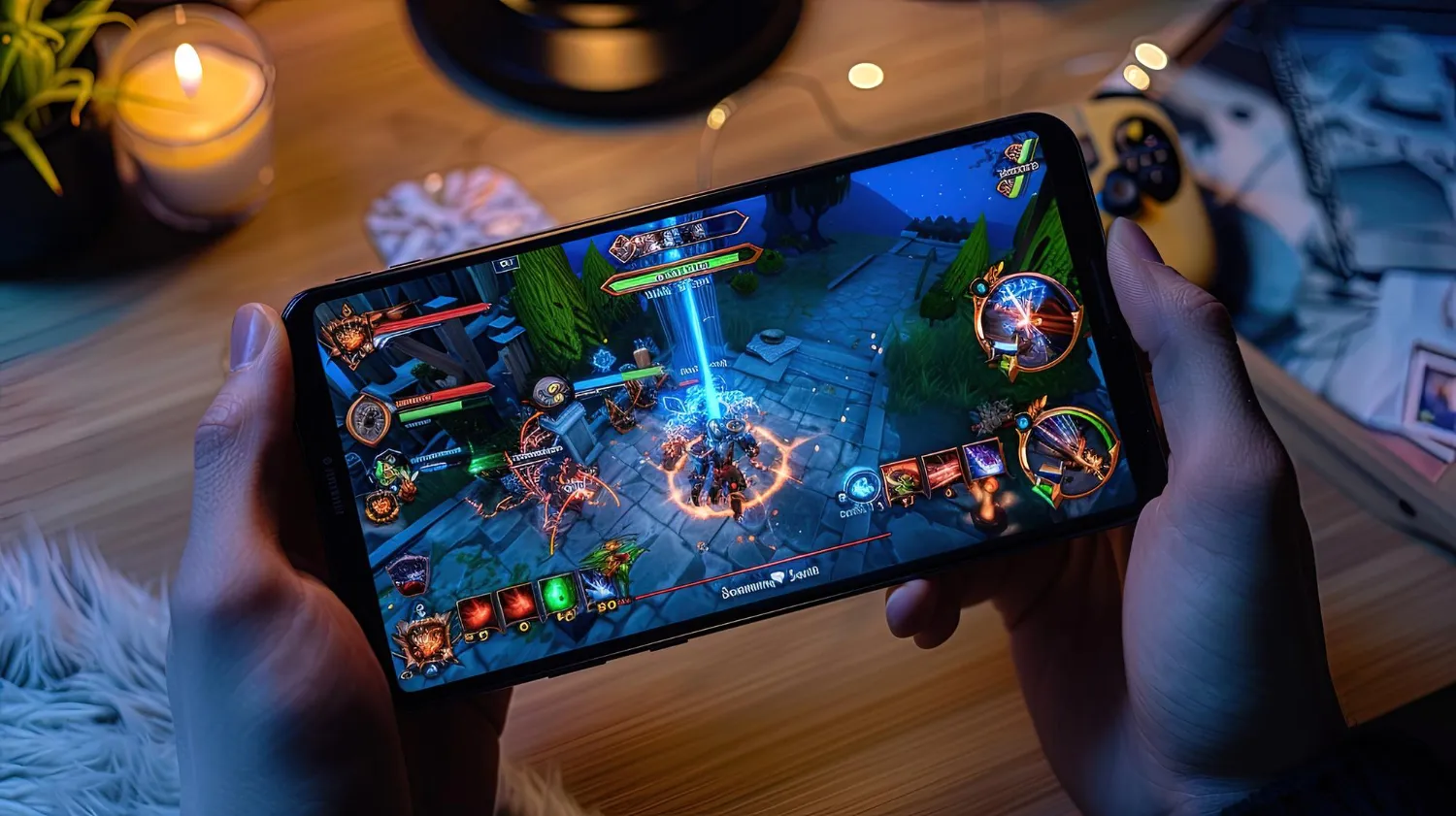
We’ve all been there — stuck on a game like Candy Crush or Fortnite, telling ourselves “Just one more level” until it’s way past midnight. I’ve felt it too, that urge to keep going, wondering what’s got me so hooked. Spoiler: it’s not just the flashy visuals or epic storylines. It’s the brilliant user experience (UX) design pulling the strings. As UX designers, if we crack how games do this, we can bring that magic to our projects. Let’s dive in, with a human lens and some science, to see how games keep us glued.
Analysis: UX Principles in Games
Games aren’t random — they’re built on scientifically backed UX principles that tap into how we think and feel. Here’s the breakdown:
- Onboarding
Think about your first time playing a game like Among Us. It didn’t feel like a lecture, right? You learned by doing, and it was seamless. This isn’t luck — research like Don Norman’s in “The Design of Everyday Things” shows that smooth onboarding reduces cognitive load, making it easy for your brain to jump in. Games nail this to pull you into their world effortlessly. - Feedback Loops
Every move gets a reaction — hit an enemy, your score climbs; grab a coin, you hear a “ding.” That’s no accident. Studies from the Neuroscience Journal explain how this triggers dopamine release, the feel-good chemical that keeps you coming back. Games create a cycle (action-reward-action) that makes you think, “I’ve got this next time.” - Rewards System
Games keep tossing you little wins — new levels, shiny gear, a few extra points. This is rooted in the “Variable Reward Schedule,” a concept James Clear explores in “Atomic Habits.” Unpredictable rewards keep your brain guessing and craving more. Games time these perfectly so you always feel a big win just ahead. - Intentional Friction
It’s not all smooth sailing, and that’s on purpose. Csikszentmihalyi’s Flow Theory tells us that when a challenge matches your skill level, you hit that sweet spot of engagement. Games design obstacles you can beat — hard enough to feel rewarding, not so tough you quit. Too easy, you’re bored; too hard, you’re out.
Practical Tips for Designers
As a UX designer like you and me, here’s what we can steal from games:
- Make Onboarding Human: Let users dive into your product naturally, learning as they go — like a game that feels fun, not forced.
- Respond Fast: When a user does something, give instant feedback so they feel the design’s alive and with them.
- Offer Small Wins: Drop mini-rewards (like “Nice, you’re halfway there!”) to keep their energy up.
- Tune the Challenge: Add just enough friction so users feel proud when they succeed, without breaking their flow.
Conclusion
Games aren’t just playtime — they’re a masterclass in psychology and UX design. Every session teaches us how to connect with users and keep them hooked. Next time you’re lost in a game, think about what’s happening in your head and ask: “How can I, as a designer, recreate this in my work?” Try it — you might just design something irresistible.
Recommended Blogs

Problems facing companies or digital products and available solutions.
Top FAQs in UX Designer Interview
The importance of user experience, its elements, and the requirements that must be met by a user experience designer?

Let's talk about your project!